Check the inside as carefully as the outside
A pot's color and shape are easy to judge from a photograph. Its usefulness to a particular plant takes another check. Turn the pot over, look inside, and read the dimensions before making it part of the room. A stated size does not automatically tell you the usable interior space or whether your current nursery pot will fit through the opening.
Measure the plant's existing container, including the widest rim, then compare it with the new pot's inside opening and depth. Think about how you will lift it back out. A plant squeezed into an attractive container may be awkward to water or inspect. University of Maryland Extension's container guidance emphasizes matching the growing space to the plant's roots and overall size.
Choose direct planting or a removable inner pot
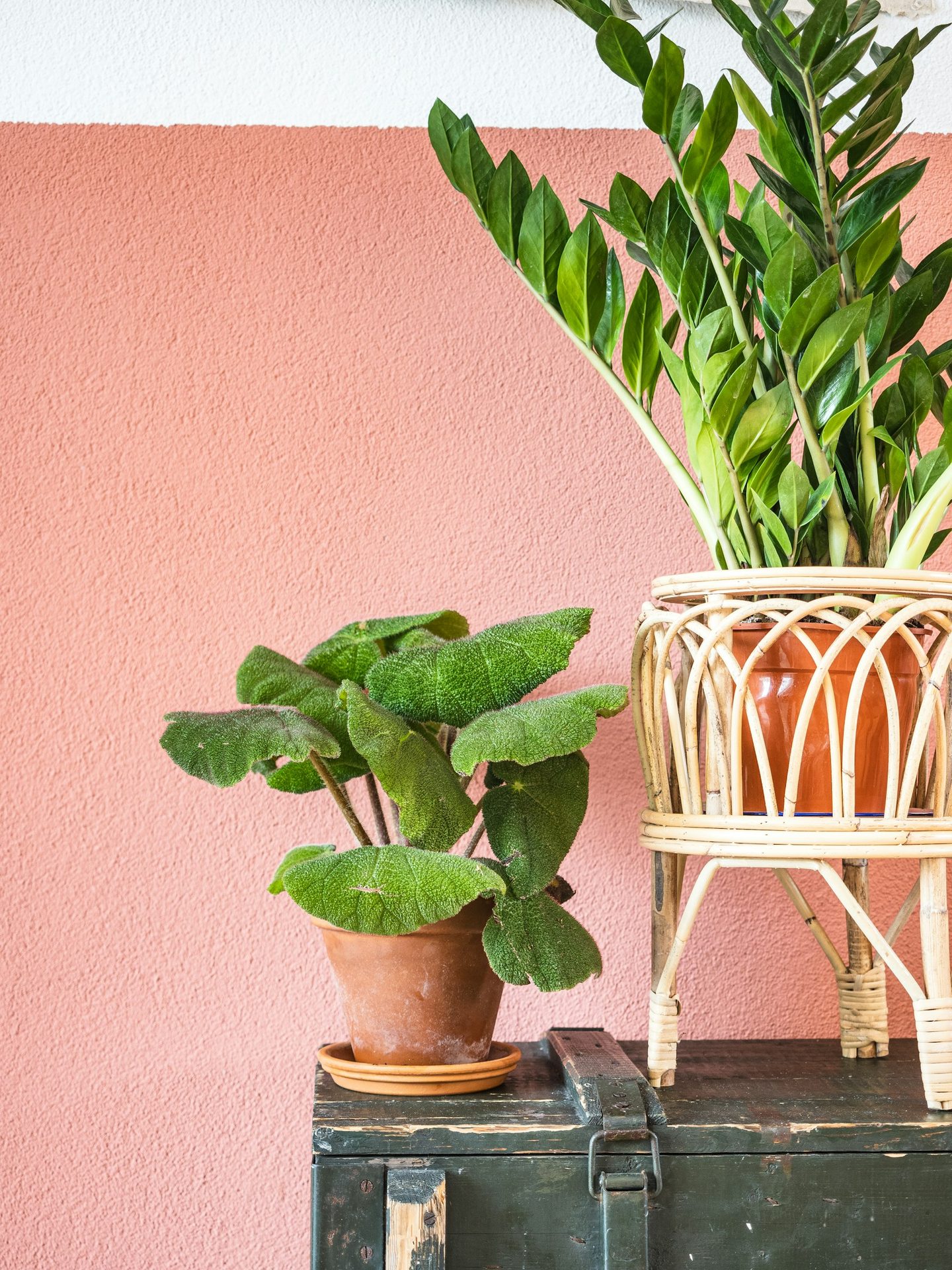
For direct planting, check that the pot has suitable drainage and that you can handle the water leaving it. If it has no drainage hole, a removable nursery pot inside the decorative one can be the more practical arrangement. Maryland Extension describes this double-potting approach: remove the planted inner container for watering, let it drain, then return it to the outer container.
Try the empty arrangement first. Make sure the inner pot comes out without tugging on the plant and does not become tightly wedged. Keep the setup simple enough that another household member could water it correctly. A decorative container can do its visual job while a separate growing pot handles the plant's everyday care. A small ceramic option such as SANDYBAYTAS 4.5-Inch Ceramic Plant Pot (affiliate link) is worth considering after you measure the plant's container. Check the exact opening and drainage details before choosing direct planting or an inner pot.
Do not ask a layer of stones to replace drainage
Adding a layer of gravel is an appealing shortcut when the bottom of a pot looks wrong for planting. Extension guidance explains that stones or gravel at the bottom do not improve drainage. Decide how water will leave the growing container rather than trying to hide the missing route under another material.
If you are repotting, choose the growing mix and new container size for that plant, using reliable plant-specific guidance. Maryland's indoor-potting guide describes a medium that supports both aeration and drainage. There is no need to repot a plant solely because you have bought a new decorative cover. Leaving it in an appropriate inner pot may preserve the care arrangement you already understand.
Make watering practical where the plant lives
Plan the route to the sink or other suitable watering place before positioning the pot on a high shelf or behind furniture. Protect the display surface and keep the plant reachable for checks. Maryland's watering guidance recommends allowing water to drain freely and emptying excess from saucers. An outer pot needs checking too; it should not quietly become a reservoir around an ordinary nursery pot.
Keep a short note of the plant name and its watering guidance. After changing containers, pay attention to the growing mix instead of assuming the old calendar still applies. Choose the decorative pot for an arrangement you can maintain: enough interior room, access for lifting and inspection, and an obvious place for drained water to go. The finished display should be easy to care for as well as pleasant to look at.
Check the inside dimensions and drainage, then decide whether the plant will grow directly in the pot or sit inside it in a removable nursery container.
Behind the story
We used these sources to check the guidance. This article is researched; it is not a hands-on product test.


