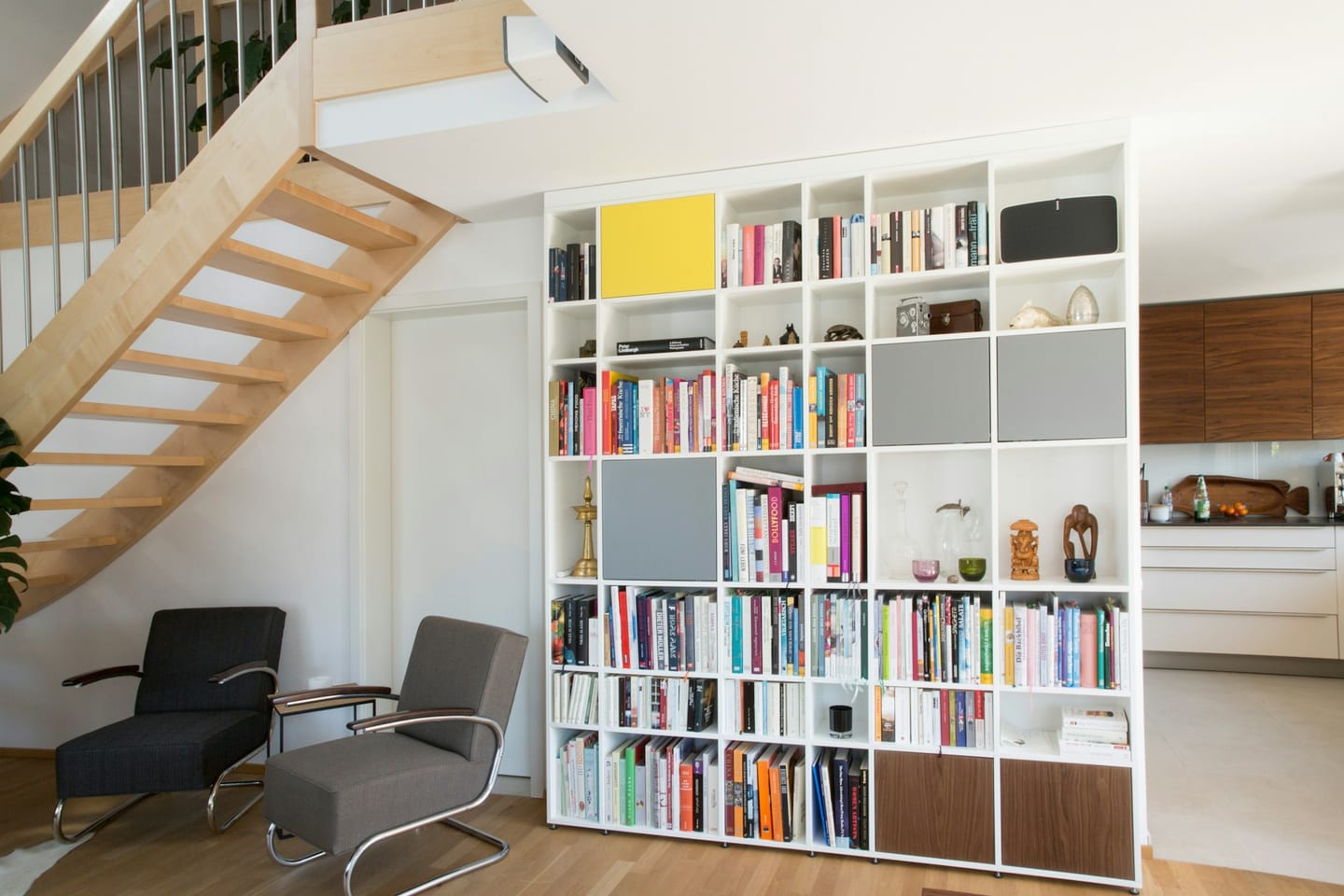
Watch what happens at the door
The entryway can become a collection of decisions nobody quite finished: a bag waiting to be unpacked, shoes waiting for a cupboard, a parcel waiting to go back out. Before choosing a console table or matching baskets, watch one ordinary arrival. Where do your hands naturally put things? Which items come back out the next morning? Those answers are a more useful starting point than the empty room in a product photograph.
Try a quick reset using what you already own. Remove items that belong elsewhere, then leave only the current shoes, daily bags, and small essentials. Treat this as a draft layout. A shallow bowl and an existing shelf can tell you whether a dedicated organizer would solve a real problem before you spend anything.
Give each kind of clutter one destination
Give the space three jobs: park footwear, hang the daily carry, and catch small essentials. Keep the shoes you actually wear near the door, with occasional pairs stored elsewhere. Give each regular bag one hook or clearly defined shelf space. Put keys, a transit card, or a dog lead in the smallest useful catchall; a large basket makes it easier to bury the very thing you need. For a light daily bag or dog lead, Command Large Utility Hooks (affiliate link) can provide that hanging spot where the surface and load meet the maker’s instructions.
IKEA's small-hallway planning ideas use narrow shoe storage and wall hooks to make use of limited space. The useful principle is to move appropriate storage toward the wall while preserving the route through the room. Your arrangement can be entirely different from the retailer's display.
Measure the route, not just the wall
Open the front door fully before measuring a potential furniture footprint. Check nearby cupboard doors too, and walk through carrying your usual shopping bags. Outline a proposed rack or bench with removable tape. If passing it requires turning sideways or stepping over shoes, reduce its depth or change its position. The U.S. Fire Administration specifically recommends keeping doors and windows unblocked as part of home escape planning. If the taped-out footprint stays clear of the door, a Simple Houseware 3-Tier Shoe Rack (affiliate link) is one option for giving everyday shoes a fixed place.
For anything mounted on the wall, check the installation instructions, suitable fixings, and stated load limits. Renters should also check their lease before making holes. A product's appearance matters, but fit, stability, and suitable installation determine whether it belongs in this particular hallway.
Add a small closing routine
Give outgoing items a separate temporary spot: tomorrow's library book, a return parcel, or something to hand to a friend. Clear that spot regularly rather than letting it become permanent storage. At the end of the day, return keys, clear loose shoes, and move finished errands out. If one item repeatedly misses its place, adjust the place.
After a week, buy only for the gap you can now name. That might be a narrower shoe rack, a stronger hook, or nothing at all. A useful entryway makes the next departure easier; it does not need to hold everything your household owns.
Test three destinations—shoes, bags, and small essentials—with existing containers before buying an entryway organizer.
Keep the reset handy.
Use our free checklist again whenever the entryway starts collecting things.
Open, print or download the Entryway Reset Checklist →Behind the story
We used these sources to check the guidance. This article is researched; it is not a hands-on product test.


