Name the next meal while clearing the table
Leftovers often enter the refrigerator as an intention: someone will eat them. A more useful plan names a person, a meal, or an easy combination. Decide whether the remaining vegetables will join tomorrow’s lunch, whether the soup makes two portions, or whether a suitable portion should be frozen. Make that decision during cleanup instead of leaving a mystery container for a busier evening.
Keep the plan modest. A half-serving does not need an elaborate second recipe; it might simply accompany something already on the menu. If nobody wants to eat the same dinner tomorrow, account for that honestly before cooking extra next time. Paying attention to what your household actually uses is more useful than collecting ambitious ideas that never become meals.
Choose portions that are easy to find
Use clean food-storage containers appropriate for the food and the storage method. Separate a large quantity into shallow containers for faster cooling rather than placing a deep, full pot in the refrigerator. USDA guidance calls for prompt refrigeration within two hours, or within one hour when the surrounding temperature is above 90°F. Do not leave cooked food on the counter waiting for it to become completely cold.
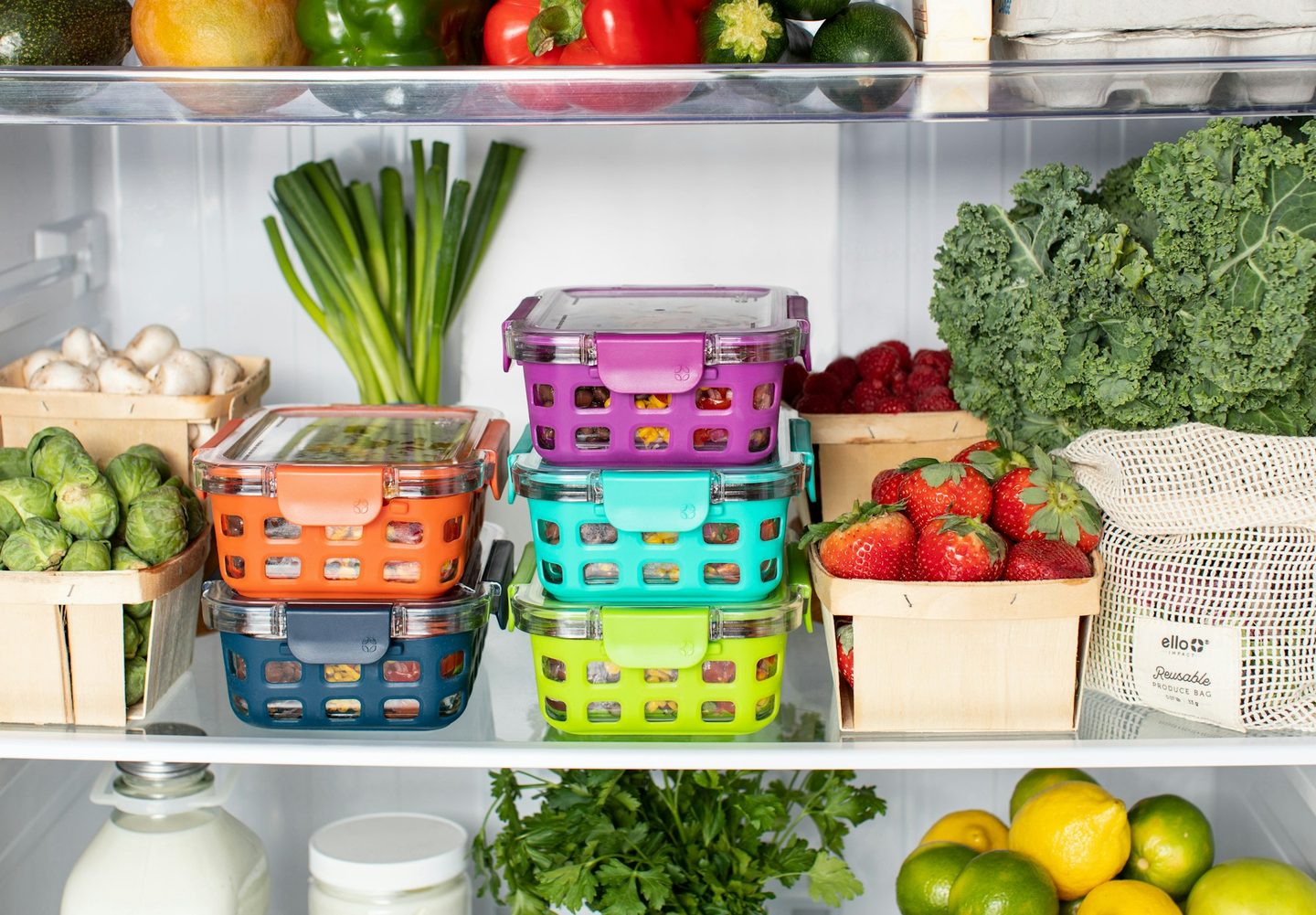
Before buying a set, look at the containers you already reach for. Can you identify the contents, fit the portion, and find its matching lid? Glass and plastic containers can have different heating and care restrictions, and lids may have separate instructions. Check the exact product directions for the refrigerator, freezer, microwave, and oven rather than assuming every part has the same permitted uses. If seeing portions clearly would make this routine easier, Rubbermaid Brilliance Glass Food Storage Containers, Set of 9 (affiliate link) is a glass-storage option; check the exact sizes and the separate container and lid instructions before heating or freezing.
Put the date where you will see it
Label each container with the food and cooking date before placing it inside. A strip of removable tape can be enough. Give planned leftovers a visible area while keeping raw foods contained separately so their juices cannot contaminate ready-to-eat food. Keep the refrigerator at 40°F or below; an appliance thermometer is a useful way to check the actual temperature.
USDA recommends using properly stored refrigerated leftovers within three to four days. FoodSafety.gov provides item-specific storage guidance when the contents need a closer check. Choose an earlier meal in that window rather than treating the final day as the target. If your plans change, freeze suitable food promptly while it is still within its safe storage period.
Check the plan before cooking again
Before starting tomorrow’s dinner, open the refrigerator and consult the containers already assigned to meals. Move a lunch portion to the front where the person packing it can see the label. If reheating leftovers, USDA recommends an internal temperature of 165°F measured with a food thermometer. Follow reheating instructions appropriate to the food and equipment, rather than judging safety from a warm container.
At the end of the week, notice what repeatedly gets missed: portions that are too large, food stored behind tall bottles, or meals nobody volunteered to eat. Change one part of the routine. The point is not a refrigerator filled with matching boxes; it is a short, visible path from tonight’s cleanup to a meal somebody will actually use.
Refrigerate promptly, label the cooking date, and choose the next meal while you still remember what is in each container.
Behind the story
We used these sources to check the guidance. This article is researched; it is not a hands-on product test.


