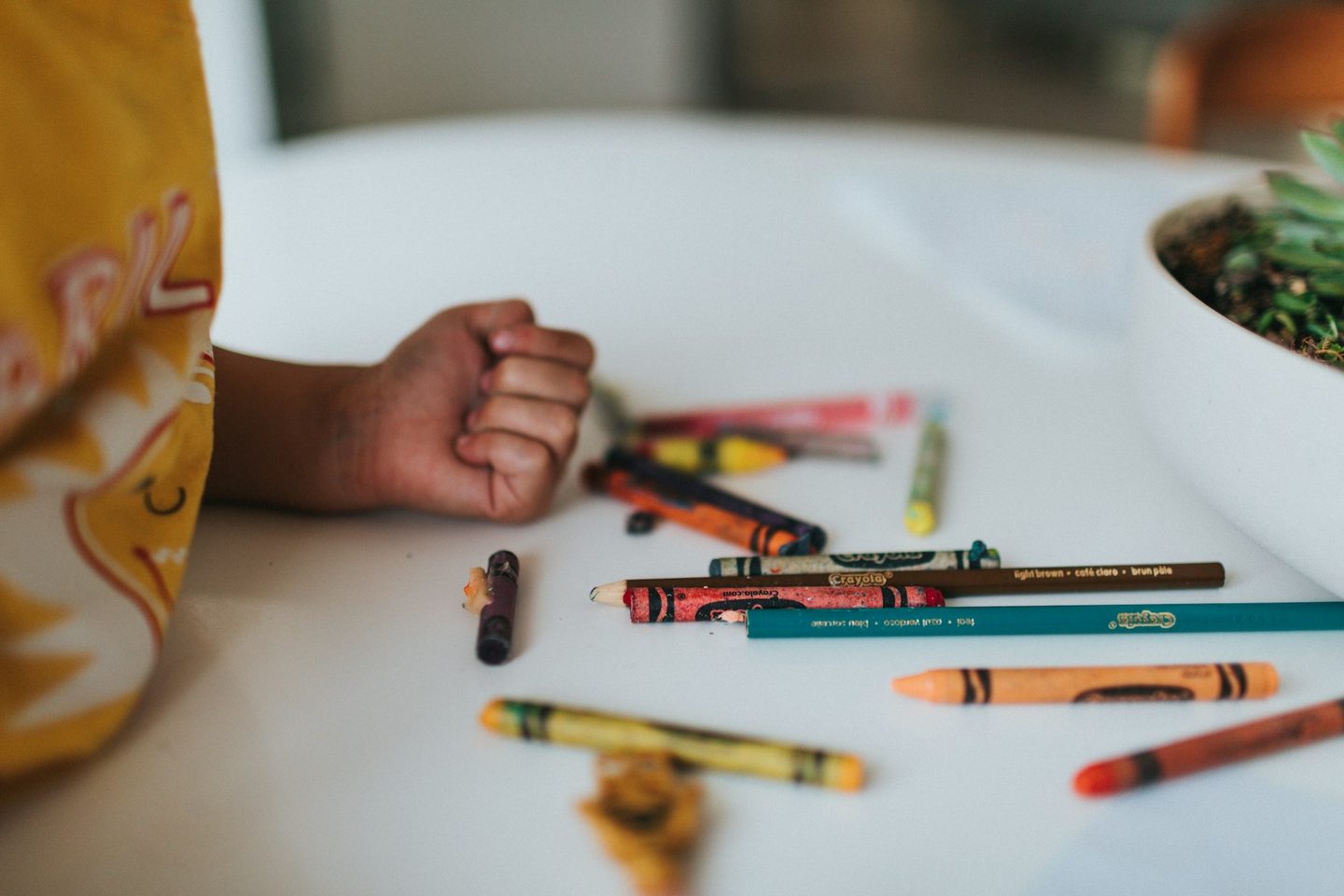
Choose a page before choosing more supplies
An inviting coloring setup does not need to begin with a large collection of markers. Find a page whose subject you enjoy and whose level of detail fits the time you actually have. A small scene with broad areas may be easier to return to than a dense pattern that requires a long stretch of concentration. Use the pencils or crayons already available for the first session.
Clear a usable patch of table and put the page where you can sit comfortably with adequate light. Choose a realistic starting point, such as one small object in the picture. Finishing the whole page is optional. You are making it easier to begin a creative activity, rather than setting a daily production target that turns an unfinished illustration into another overdue task.
Give the session a small boundary
Pick a few colors that look interesting together and set the rest aside. Repeating a color in several parts of the scene can make an arrangement feel intentional without requiring a perfect palette. Try a different combination next time instead of changing the plan whenever you see another attractive example online.
A seasonal coloring book can provide a ready-made collection of subjects, but you do not have to finish its pages on a calendar schedule. The publisher describes Coco Wyo’s Cozy Countdown as an advent format with mini coloring books. That can suit short sessions; a single page from a book you already own can serve the same purpose without buying anything new. If seasonal mini projects would make starting more inviting, Coco Wyo Cozy Countdown Coloring Book Bundle (affiliate link) offers a countdown format; choose the pace that fits your evenings rather than treating each little book as a deadline.
Learn the paper with a small test
Different editions use different paper, so do not assume a tool that worked in one book will behave the same in another. Test an inconspicuous area first. Coco Wyo’s guidance recommends a protective sheet behind the page when using wet media such as markers. Check your particular book’s instructions and protect the work surface as well as the following page.
With colored pencils, begin with light pressure and see how the paper responds before building more color. Use a scrap area to compare two shades or practice a small texture. Crayola’s colored-pencil guidance includes simple approaches such as dots and broader marks made with the side of the pencil. These are options to explore, not techniques you need to master before enjoying a picture.
Leave a clear place to resume
When it is time to stop, mark the page and keep the few tools you used together. If wet media are involved, allow the work to dry as required before closing the book. A small pouch or existing container can hold the current selection so the next session begins with coloring instead of a search through drawers.
After several sessions, notice what helped you return: a simpler image, fewer choices, or the book already waiting near the table. Change one detail that made starting awkward. Keep the result for yourself, share it if you want, or turn the page and try again. The purpose is a manageable way to make something with color, without needing a finished collection or a claim that the activity will improve your health.
Keep a page and a small set of tools ready, test the paper, and let a short session count even when the picture is unfinished.
Behind the story
We used these sources to check the guidance. This article is researched; it is not a hands-on product test.


