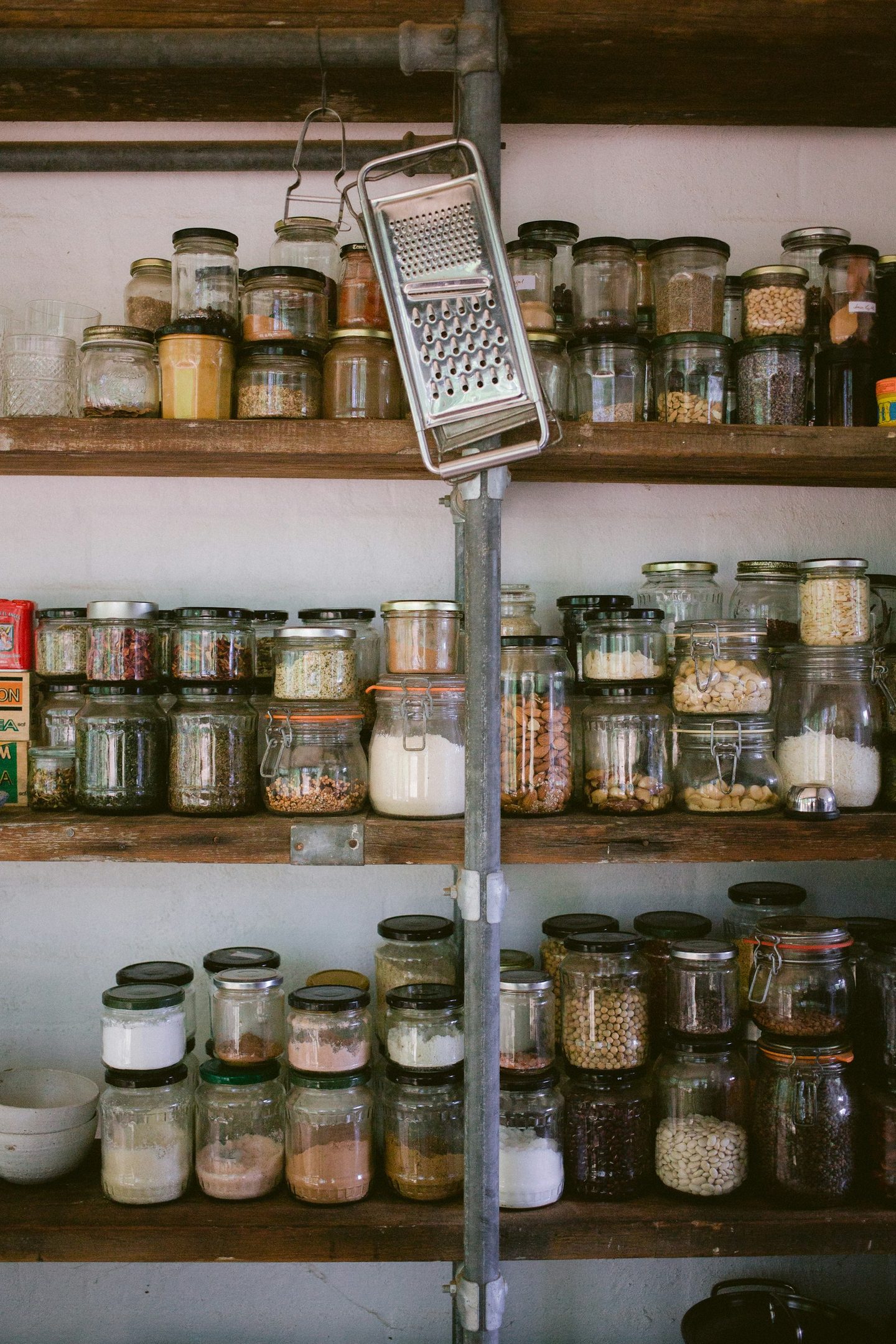
Find the package that keeps causing trouble
A pantry makeover can begin with a shopping list long before anyone has opened the cupboard. Matching containers look orderly, but the more useful question is smaller: which food is awkward to retrieve, close, or put away? A flour bag that spills and a half-empty cereal box that disappears behind other boxes present different problems. Choose one you encounter regularly, rather than assuming the entire shelf needs new packaging.
For a week, notice what happens when you use that staple. Do you need a scoop? Can you reach the back of the shelf? Where does the remainder go when a new package does not quite fit? Keep a short note of the difficulty. A plan for the leftover portion is more helpful than a container that looks perfect only on refill day.
Keep the information when you change the packaging
Before transferring food, read its storage instructions and decide how to retain the product name, ingredients, allergen information, preparation directions, date, and lot code. Keep the original package in a designated place or save a clear photograph you can find again. A handwritten label saying only ‘flour’ loses details you may need later. For a shared household, choose a labeling method everyone can understand without guessing.
FDA food-storage guidance emphasizes following label directions, including instructions to refrigerate a product after opening. A new jar does not change those requirements. Flour also remains a raw food after decanting; FDA advises against tasting raw flour or uncooked mixtures containing it. Treat the container as a storage decision, not a way to make the food safer or give it a new shelf life.
Measure a real refill, not an ideal photograph
Measure shelf height and depth, then leave room to lift the lid and remove the container. Check capacity against the amount you normally buy; weight on a food bag and a container’s volume are different measurements, so do not assume matching-looking numbers mean a good fit. Think through whether you will pour from it or need space to use a scoop.
Wash and dry a suitable food-storage container according to its instructions before filling it. Plan to empty and clean it between batches instead of continually burying old contents under new supplies. If part of a package must remain outside the container, give that sealed remainder a clear place nearby. One predictable overflow spot is easier to maintain than several anonymous half-bags. For a staple that needs a dedicated container, the OXO Good Grips POP Container, 4.4 Qt (affiliate link) is one option to compare with those measurements; check the capacity and lid clearance before replacing a bag that already works.
Let the next grocery trip test the system
Add the staple to your grocery list when you reach a practical refill point, not simply because the container has empty space. Before shopping, check both the main container and the overflow spot. The useful outcome is being able to see what you have and buy the amount you will actually use.
After the next refill, ask whether the change solved the original problem. If it did, repeat the method for one more troublesome item. If the original packaging works well for pasta or snacks, leave it alone. A pantry can contain jars, bags, and boxes and still be well organized; consistent decisions matter more than identical lids.
Choose one troublesome staple, preserve its label information, and test a complete refill before buying containers for the rest of the pantry.
Behind the story
We used these sources to check the guidance. This article is researched; it is not a hands-on product test.


