Decide which little things need a home
A charging cable, a spare connector, and a tiny repair item do not occupy much space individually. Loose in a daypack, they can still require an inconvenient search. A small accessory pouch gives them one place to return to, but first decide which items serve the outing you are planning. Empty the pocket onto a table and identify the job of each piece.
Remove duplicates that have no clear purpose and cables that do not fit the devices you carry. Keep items that require their own protective storage in it. Choose a pouch that holds this modest selection without inviting you to fill unused space with things for a completely different trip.
Bundle the cable, without making a repair out of it
Test the cable with the actual device and power source before packing. Then gather it in a loose, manageable coil, avoiding a tight fold beside the connector. Keep connectors easy to identify instead of concealing every end inside a dense bundle. An existing cable strap may be enough to keep this small group tidy.
Nite Ize describes its six-inch Original Gear Tie as an organizer for cords and cables. Its warning also states that the product has no weight rating and should avoid sharp edges, hot or abrasive surfaces, and shifting loads. Treat a reusable tie as a way to organize the pouch's contents. Do not repurpose it as climbing equipment, a load restraint, or a repair on which someone's safety depends. A six-inch reusable tie such as Nite Ize Original Gear Tie, 6-Inch, 2-Pack (affiliate link) is one way to keep a compatible cable gathered inside the pouch. Use it for organization, following the maker's warnings.
Keep the pouch in proportion to the whole pack
Place the pouch where you can reach it without unpacking clothing or food, then practice taking out and replacing the item you expect to use most. If the pouch itself becomes another jumble, reduce its contents or divide them by task. A distinctive color or a plain label can help a companion recognize it without needing a tour of every pocket.
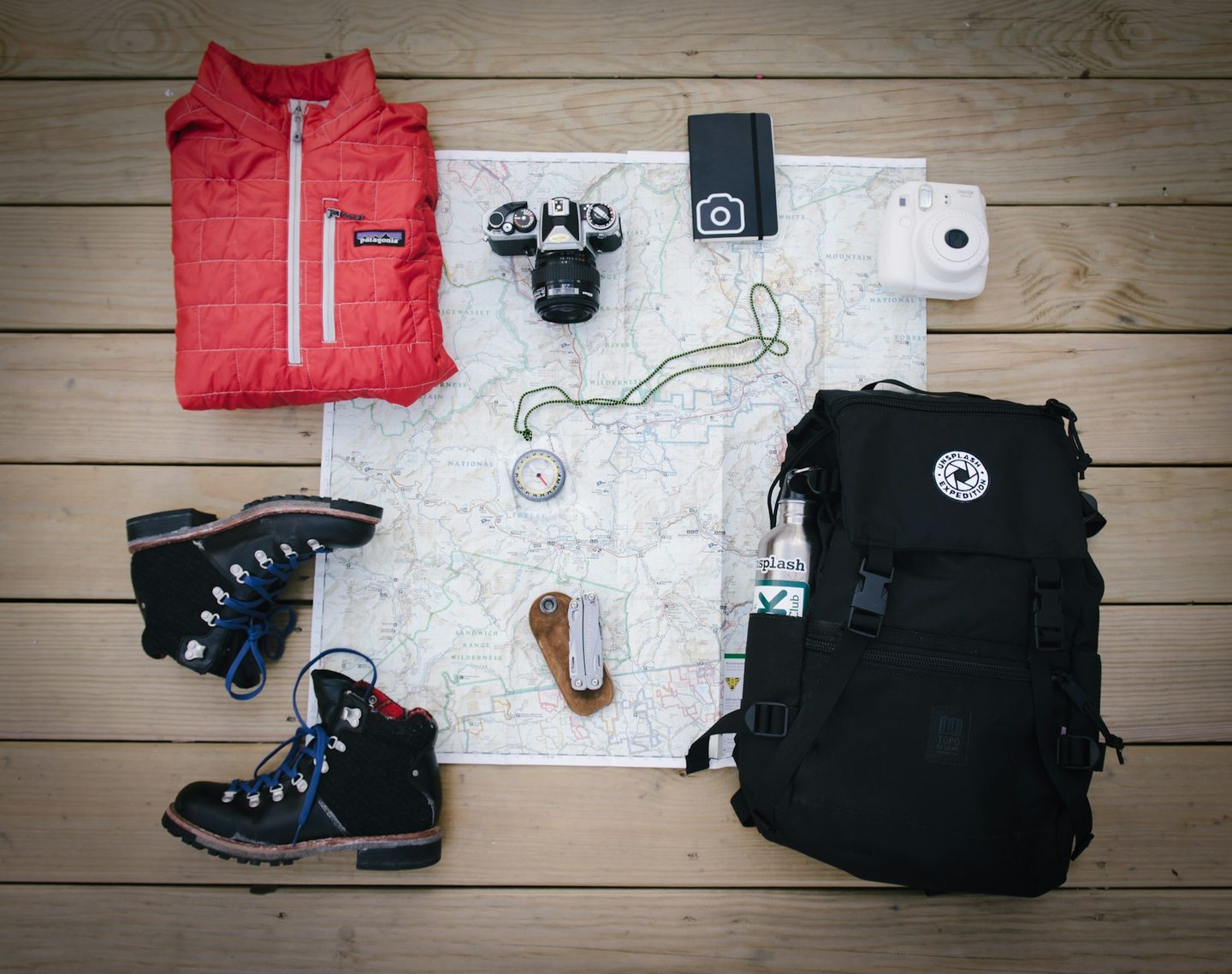
Review the hiking essentials separately. The National Park Service's Ten Essentials guidance covers systems including navigation, clothing, illumination, first aid, food, water, and emergency shelter, with additional equipment depending on the activity. A neatly packed accessory pouch does not complete that list. The service also recommends knowing how to use navigation equipment and carrying a physical map as a backup.
Reset it after the outing, then recheck the next plan
At home, remove anything used up, wet, damaged, or borrowed from another part of the kit. Dry and maintain equipment according to its instructions, then return only what belongs in the pouch. Keep a short note of something missing or awkward to retrieve. That observation gives you a concrete reason for an adjustment, rather than a general urge to add more accessories.
Before the next outing, check the route, current conditions, and requirements for the people going. Leave No Trace's planning guidance emphasizes matching preparation to the location, conditions, and participants' abilities. Decide afresh what belongs in the pack, then check the pouch. The helpful routine combines a familiar place for small things with a fresh look at the trip itself.
Keep a small accessory pouch purposeful, check that cables match the devices you carry, and review the full hiking kit separately.
Behind the story
We used these sources to check the guidance. This article is researched; it is not a hands-on product test.


