Give the first page a smaller job
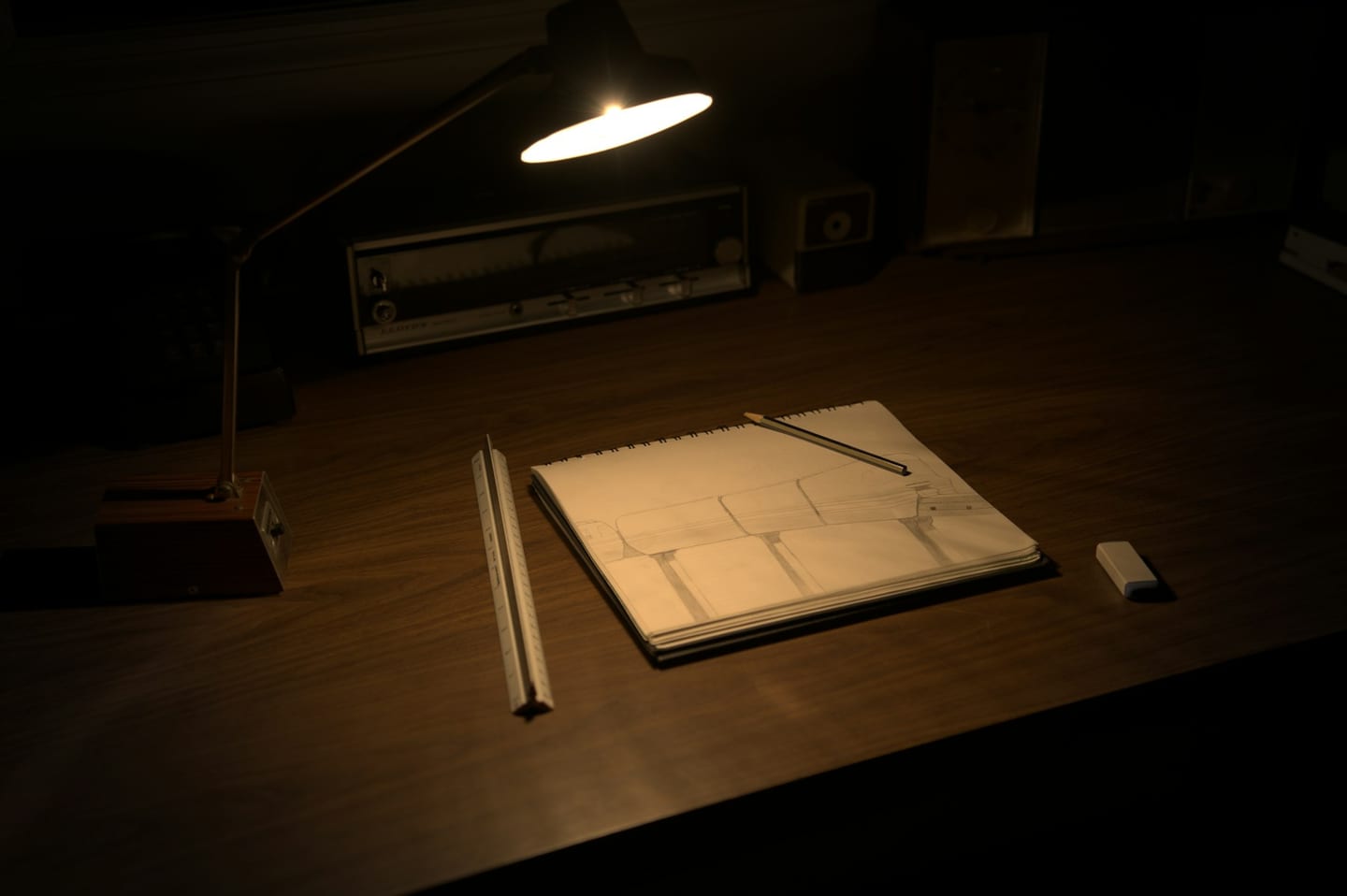
A new sketchbook can feel oddly demanding. The clean pages invite you to make something good enough to deserve them, so it stays closed while you look for inspiration. Give the first page a more ordinary assignment: notice the mug beside you. A familiar object removes the need to find a dramatic subject and lets the session begin with what is already available.
Use a pencil you have, ordinary drawing paper or a notebook, and an eraser if you want one. Choose a comfortable place where you can see the object and rest the paper. You can explore specialized pencils later; the first decision is simply to make a mark. If you need a dedicated place for these first attempts, a Strathmore 400 Series Sketch Pad (affiliate link) keeps them together without requiring a more elaborate setup.
Draw the same object in a few different ways
Look at the shape before beginning: the height of the mug, the curve of the handle, and the space inside it. Make a small outline, then start another drawing beside it rather than endlessly repairing the first. Change one thing in the second attempt, such as drawing larger or looking at the object more often. This gives the page a clear purpose and something useful to compare.
The National Gallery of Art's everyday-objects lesson explores several kinds of marks, including outlines and hatching. Try a patch of separate parallel lines to suggest a darker area, then compare it with a lighter patch. Keep the exercise small. You are learning how a mark changes the drawing, rather than attempting to reproduce every detail at once.
Include one drawing with no object at all
Turn the page and make a few lines that move differently: a slow curve, a sharp zigzag, a cluster of short marks. Then put on a song and let the lines respond to what you hear. The National Gallery's experimentation prompts include drawing inspired by music and encourage attention to the process rather than the finished result. This is a useful change of task when observation starts feeling like an exam.
Notice what you enjoyed doing. Was it the repetitive shading, the loose lines, or comparing the two mug drawings? Your answer can guide the next session. There is no need to adopt a particular style or post the result anywhere. Keeping the work private is an entirely practical option while you discover what interests you.
Let the next purchase answer an actual question
Date the page and leave one short note: next time, draw the handle larger; try a darker pencil; or choose a smaller object. Keep the notebook and pencil together where you can retrieve them easily. A folder or simple pouch may be enough. Planning the next small task makes returning to the sketchbook easier than facing another completely open brief.
After several sessions, consider what would help. Paper that lies flat may matter more than a large set of colors. A sharpener that catches shavings may suit drawing at the kitchen table. If your current pencil already does what you want, keep using it. Choose equipment for a drawing habit that is beginning to exist, rather than collecting supplies for an imaginary future studio. If you decide to explore different pencil marks, the Staedtler Mars Lumograph Drawing Set (affiliate link) brings pencils, an eraser, and a sharpener together; you can keep using your current pencil until that experiment interests you.
Draw one familiar object twice, try a few different marks, and leave a specific idea for the next page.
Behind the story
We used these sources to check the guidance. This article is researched; it is not a hands-on product test.


